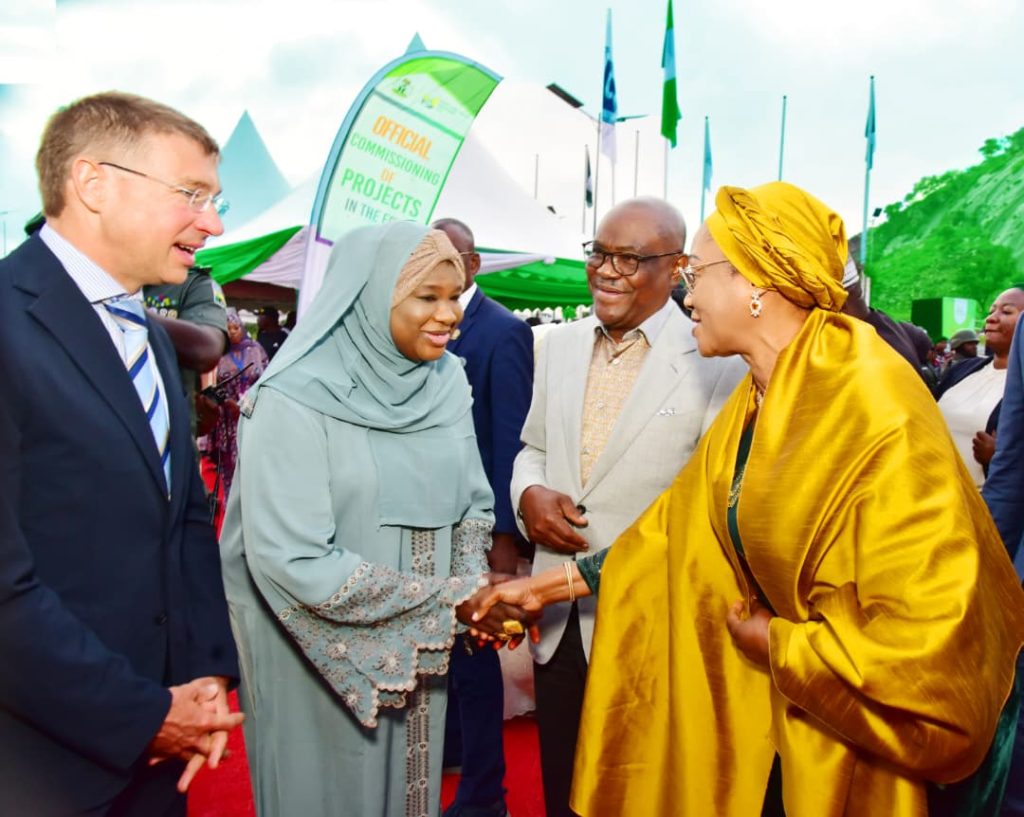
President Bola Tinubu, represented by First Lady Oluremi Tinubu, commissioned the remodelled Abuja City Gate on Thursday, July 9, 2026. The event marked the third anniversary of the Tinubu administration and the 50th anniversary of the Federal Capital Territory.
FCT Minister Nyesom Wike announced that the Federal Capital Development Authority will sign a Memorandum of Understanding with construction firm Julius Berger to manage and maintain the facility going forward. That detail matters more to the local economy than the ribbon cutting itself, since it sets a working model for how the FCT plans to keep public monuments running after the contractors leave.
What Changed at the City Gate
The Abuja City Gate was first built in 1991 to mark the relocation of Nigeria’s capital from Lagos. According to Richard Dauda, Acting Executive Secretary of the FCDA, the structure had gone without major upgrades for years before a redesign and rehabilitation contract was awarded to Julius Berger in November 2025.
The completed project includes a Unity Fountain with 37 nozzles representing the 36 states and the FCT, a new irrigation system, upgraded lighting, a 60 space car park, toilet facilities, food courts, recreational areas and improved security infrastructure.
None of the government statements at the event disclosed a project cost. Multiple reports of the commissioning covered the ceremony and the officials present but did not include a contract value, so that figure remains unconfirmed.
Why the Timing Matters
Wike said the remodelling was proposed by the First Lady, who questioned why the entrance to the nation’s capital looked dated compared to gateways in other capital cities. The project moved from directive to completion in roughly eight months, a pace officials attributed to pressure from the Presidency and persistent work by FCDA and Julius Berger despite heavy rain in the days before the event.
The commissioning was deliberately scheduled around the administration’s third anniversary and the FCT’s 50th anniversary, positioning it as part of a broader push to showcase visible infrastructure wins in Abuja.
What This Means for Business
The maintenance MOU is the clearest business signal in this story. If the FCT Administration is moving toward long term private maintenance contracts for public monuments rather than one off government upkeep, that is a contracting model worth watching. It could open a path for facility management firms, landscaping contractors and security service providers to bid into future FCT maintenance arrangements, though this particular deal has gone to Julius Berger, the same firm that built the project, not to a separate local vendor through competitive bidding.
The car park, food courts and recreational spaces built into the site create small scale commercial openings. Vendors, caterers and informal traders operating around a high traffic landmark near the airport route into Abuja stand to benefit from footfall, provided the FCDA opens concession slots to local operators rather than folding them into the main contractor’s remit.
There is also a fiscal signal worth noting plainly. No source disclosed how much the remodelling cost. For businesses tracking government capital expenditure priorities in a tight economy, the absence of a published figure for a high visibility monument project is itself relevant, since it makes it harder to weigh this spending against other capital projects competing for the same budget.
Photo: Dr Mariya Mahmoud